
Last Updated on November 1, 2026 by Daniel Osakwe
Sekonic Flashmate L-308X-U Light Meter Review
Pros
- Portable
- Easy to use
- Accurate readings
Cons
- A bit on the high side
Sekonic has been making high-quality optical-to-digital converters since the early 2000s. But their Flashmate series of light meters have been their bread and butter for the last ten years. The Flashmate L-308X-U is the latest iteration of the series, and it’s designed to replace the old L-308S-U, which unfortunately has been discontinued.
Its design and features are appealing and its range of output and target output options make it very versatile.
Table of Contents
Sekonic Flashmate L-308X-U Light Meter Review: Features
- Event Metering for Flash & Ambient
- Photo, Cine, and HD Cine Metering Modes with 40° Reflected Light
- Lighting Measurement
- LCD with Auto Backlight and Cordless Flash Option under EV5 PC Sync Terminal
- Custom setting for calibration compensation
- Powered by One AA Battery
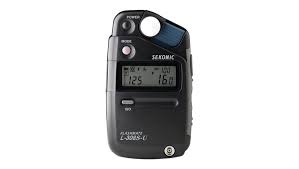
The Flashmate L-308X light meter from Sekonic, which has a reputation for precision, is a pocket-sized and incredibly accurate tool for metering ambient and flash illumination as well as working in video with specific Cine and HD Cine modes.
The L-308X, which has a sliding hemisphere and a lens with a 40° reception angle, can measure both ambient light and reflected light. Additionally, this meter can work with flash within the range of f/1.0 to f/90.9 at ISO 100 and has a wide metering range of EV0 to 19.9 at ISO 100.
Metering also requires repeat accuracy, which the L-308X provides with a score of
The L-308X Series has three metering modes to keep up with the demands of contemporary picture creators who switch between projects.
Sekonic L-308X-U Light Meter: Benefits
- It’s adaptable
- Cheap
- Easy to use
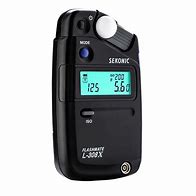
Up until now, it has been difficult to find a light meter that accomplishes everything yet doesn’t cost a hefty lot. the brand-new Flashmate L-308X-U from Sekonic From the ground up, this incredibly adaptable light meter has been created with photographers and filmmakers in mind. Whether it’s ambient light or flash, or the numerous metering required for cine applications, visual artists need a light meter that can do it all.
Sekonic Flashmate L-308X-U Light Meter Review: Design
- Compact design
- Lightweight
- LCD backlight
The Sekonic Flashmate L-308X-U, which has a small and user-friendly design, combines the best features of its predecessors, the L-308S-U and L-308DC-U, while also adding significant new features, like a much-requested LCD backlight, Aperture (F) Priority Measurement (Photo Mode), and ISO 850 for cinematographers using today’s professional cinema cameras.
Sekonic Flashmate L-308X-U Light Meter Review: Performance
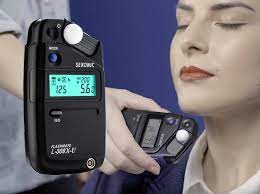
The Sekonic Flashmate L-308X-U has a wide metering range and is extremely accurate and reliable to within 0.1 EV for measuring ambient light, flash, and illuminance.
The L-308X-U can measure ambient light at ISO 100 in the range of 0–19.9 EV, flash at f/1.0–f/90.9, and illumination at 2.5–190,000 lux, or 0.23–17,000 foot candles, when an optional adapter is used. Sliding the Lumisphere reveals its built-in 40-degree lens, which changes the readings for ambient light and flashes from incident to reflected.
Why buy the Sekonic Flashmate L-308X-U Light Meter?
The Sekonic Flashmate L-308X-U is as versatile as it is small, and it provides three different metering options: Photo Mode for photographers in the studio or on location; HD Cine Mode for creatives using HD SLRs and mirrorless cameras, where shutter speeds and frame rates need to be measured; and Cine Mode, which offers a full suite of tools for cinematographers when location scouting, including the choice of frame rates, shutter angles, and 1/10-stop measurement accuracy. Measurements in many of the modern professional cinema cameras’ native ISOs are also possible thanks to the addition of ISO 850.


