Last Updated on November 1, 2026 by Daniel Osakwe
Noting feels so frustrating than having so much to do with your computer and when switched on, it takes forever to boot up and then hours to open a single web page. To make your computer run faster isn’t such a big deal. All you need is just a simple trick to boost its speed.
Below, we’ve highlighted about 14 ways how to make your computer run faster, and by the time you’re done checking them out and implementing one or two of these tips, your computer will be good as new.
So, here are my 14 tips on how to make your computer run faster;
Table of Contents
How to Make Your Computer Faster
1. Check Your Hard Disk Space
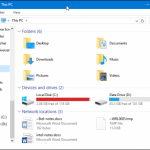
It’s a decent general guideline to keep your hard drive 15% free. In the event that you see that your hard drive is practically full, you can eliminate a few projects and records to improve speed.
PC: There are cleanup programs that can help you in opening up hard drive space by erasing transitory documents, clearing program history, deleting treats, tidying up the Windows vault, and defragmenting your hard disk. You can search online for such cleanup software here
2. Close Unused Tabs

On the off chance that you have been chipping away at an enormous project and have 1,000,000 tabs, it very well might be useful to close these and restart your program.
Most programs have a choice to reestablish past tabs whenever you’ve restarted or dense.
3. Delete or Remove Large/Unnecessary Files
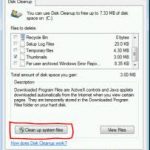
Any impermanent documents that were utilized in an established process, stores, and cookies from the web can occupy a ton of room on your hard disk.
Mac: Download CCleaner to discover and erase transitory documents on your hard disk.
PC: Click Start > All Programs > Accessories > System Tools > Disk Cleanup.
4. Restart Your Computer

At the point when your PC is left on, background projects and applications can assume control over memory. Restarting your PC can refresh memory and consider legitimate portions to update.
It’s critical to close down or restart your computer at least once per week to keep things running easily.
5. Backup Your Data
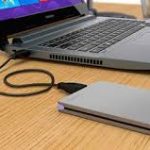
On the off chance that you sense that your PC stores as long as you can remember of recollections, it very well may be a smart thought to back up your information.
A couple of approaches to back up your PC:
- Buy an external hard drive
- Back up online through Google Photos, Amazon Drive, Dropbox, and so forth (more file sharing)
- Back up on a CD or DVD and store in a protected spot
Backing up your information permits your PC to free up space on its RAM and OS, thusly permitting it to run smoother.
6. Uninstall Unnecessary Programs
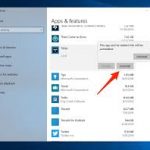
Extra projects that are only sometimes utilized ought to be taken out.
Macintosh: Uninstall physically by hauling applications into the bin. You can likewise download projects to help you sort and erase programs.
PC: Navigate to Control Panel > Remove or Add Programs/Uninstall a Program. This will show an expert rundown of all projects introduced. For new projects, right-click and pick Last Used On to perceive how often you utilize the program.
7. Prevent Unnecessary Programs From Starting
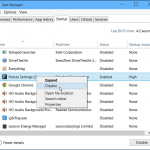
At the point when you start your PC, you may locate that different projects start to run. Forestall this by ensuring programs don’t begin when you turn on your PC.
Mac: From the Apple menu, go to System Preferences > Accounts > Login Items. Pick programs you’d prefer to keep from opening consequently and click the short sign (- ) to eliminate them.
PC: Open the Start Menu and run a quest for “MSConfig.” Choose Startup to see a rundown of all projects that run when you boot up your PC and uncheck anything pointless.
8. Check RAM and add more if needed
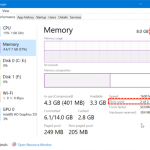
RAM, or Random Access Memory, is the capacity memory that is utilized by your PC. The more projects that are being utilized, the more RAM is required. Thusly your PC may back off if there isn’t sufficient RAM, particularly when handling enormous documents or playing out different activities immediately.
Mac: Open the Action Monitor by choosing Library > Applications > Utilities and select System Memory. In the event that the pie graph has generally green and blue, your RAM ought to be alright. On the off chance that it is generally red and yellow, you ought to think about introducing extra RAM.
PC: Initialize the Windows Task Manager by squeezing Ctrl + Alt + Del. Select the Performance tab and discover the zone named, Physical Memory (MB). On the off chance that you locate that the number close to Available is under 25% of your all-out MB, you ought to consider adding RAM.
9. Delete Internet Browsing History
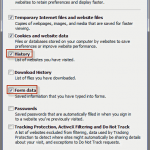
It’s a smart thought to erase browsing history either from unsurpassed or indicate the amount you need to go back. Most web programs have a History tab where you can choose Home or Show Full History to get to.
10. Organize Desktop Icons
By classifying desktop symbols into envelopes, it not just tidies up your screen, it can likewise chop down your gadget’s RAM utilization. Each time your PC turns on, it should stack every individual symbol when you have not coordinated your work area, which occupies loads of RAM room.
Along these lines, your PC just requirements to stack a couple of folders on your work area.
11. Use Activity/Resource Monitor to Check Memory
Your action or resource screen will show you which projects are taking up the most memory and utilizing a huge digit of your CPU, or Central Processing Unit.
Macintosh: Go to Library > Applications > Utilities. Dispatch the Activity Monitor and select the % CPU section to see which projects are at the top. On the off chance that anything is utilizing more than half, odds are that it is hindering all over projects. Make your PC quicker by erasing the application and utilizing a quicker other option or guarantee that any remaining projects are shut when utilizing that application.
PC: Open Start Menu and navigate to All Programs > Accessories > System Tools > Resource Monitor. Check the CPU usage rate, and click the Applications tab to see the applications utilizing the most memory. Erase and supplant application or guarantee the application is possibly open when essential.
12. Repair Disk Permissions
In the event that legitimate consents are not set, you could experience difficulty with the fundamental procedure on your PC. It’s suggested that you fix plate consents at regular intervals to evade issues with your disk.
Mac: Go to Applications > Utilities > Click Run Disk Utility and afterward select your startup disc. Select First Aid and pick Repair Disk Permissions. This will look through the authorizations settings on your hard drive to guarantee documents are available just to the client and that applications have the consents to do as such. Restart your PC after fulfillment.
13. Remove Unused Languages
A basic method to let lose some PC working space is to eliminate unused languages. While you can do this physically, we suggest a program or application that can do this for you.
Mac: Download MacFlyPro that distinguishes and eliminates the confinement records in both your OS and outsider applications. To utilize, dispatch, and go to the System Module. At that point select the Cleanup area and hit Scan. You would then be able to audit the language documents, ensuring that the registration of the solitary record are unused macOS limitations and unused application dialects. In the event that you wish to delete all identified garbage information (other than limitation information including system/client store and system/client logs), you can choose Clean.
PC: Open the Settings application > Time and Language > Language > Windows Display Language > Select the Language you need and set it as the Default Language. Click Remove a language to free up space on your Windows framework.
14. Change Power Plan
At the point when your PC is running sluggish, it can regularly imply that your gadget is running on low performance, or a save battery mode. Changing your power plan may make your PC run quicker.
Macintosh: Select the Apple symbol in the upper left-hand corner. At that point pick System Preferences > Energy Saver. Check “Restart naturally if the PC freezes” and “Put the hard drive to bed whenever the situation allows” for improved PC usage.
PC: Navigate to the Control Panel > Power Options. From that point, you can choose your ability to advance execution. Superior is your most ideal choice for improving the speed and execution of your PC. Simply be attentive that this may take more ability to utilize.
People also ask
Why is my computer running so slow?
A sluggish PC is regularly brought about by such a large number of projects running all the while, taking up preparing power and lessening the PC’s exhibition. To improve speed, click the CPU, Memory, and Disk headers to sort the projects that are running on your PC by the amount of your PC’s assets they are taking.
What is better upgrade SSD or RAM?
As our test outcomes show, introducing an SSD and the greatest RAM will impressively accelerate even a maturing note pad: the SSD gives a generous exhibition help, and adding RAM will benefit from the framework.
Is 32GB RAM overkill?
As a rule, yes. The lone genuine explanation a normal client would require 32GB is for future sealing. To the extent essentially gaming goes, 16GB is bounty, and truly, you can get by fine and dandy with 8GB.
Conclusion
Working with a fast computer improves your work rate and overall performance. Be that as it may if you’ve tried all these tips and your computer seems to be still slow, at that point you might need advance maintenance or you might need to get a new computer.