Last Updated on November 1, 2026 by Daniel Osakwe
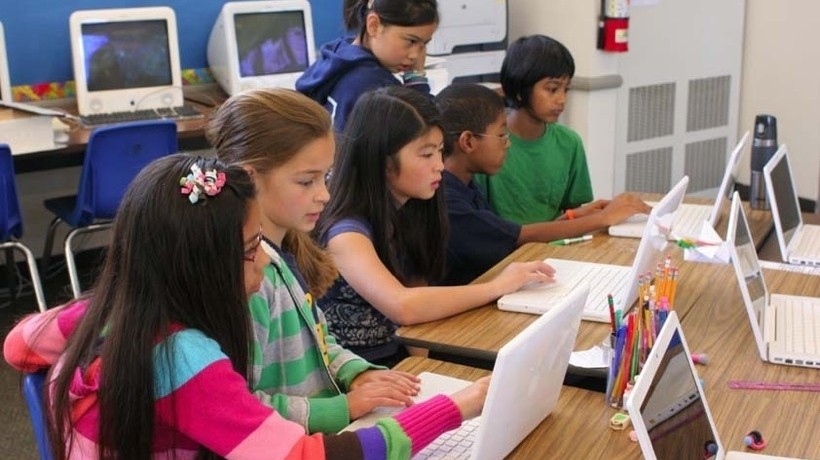
In the digital age, technology has revolutionized nearly every aspect of our lives, including education. From traditional chalkboards to interactive whiteboards, and from printed textbooks to e-learning platforms, the incorporation of technology in education has brought about transformative changes that enhance the learning experience for students of all ages. By leveraging the power of technology, educators can create engaging and personalized learning environments that cater to individual needs, foster critical thinking, and prepare students for the challenges of the 21st century. Let’s explore 10 innovative ways to integrate technology in education effectively.
10 Innovative Ways to Integrate Technology in Education
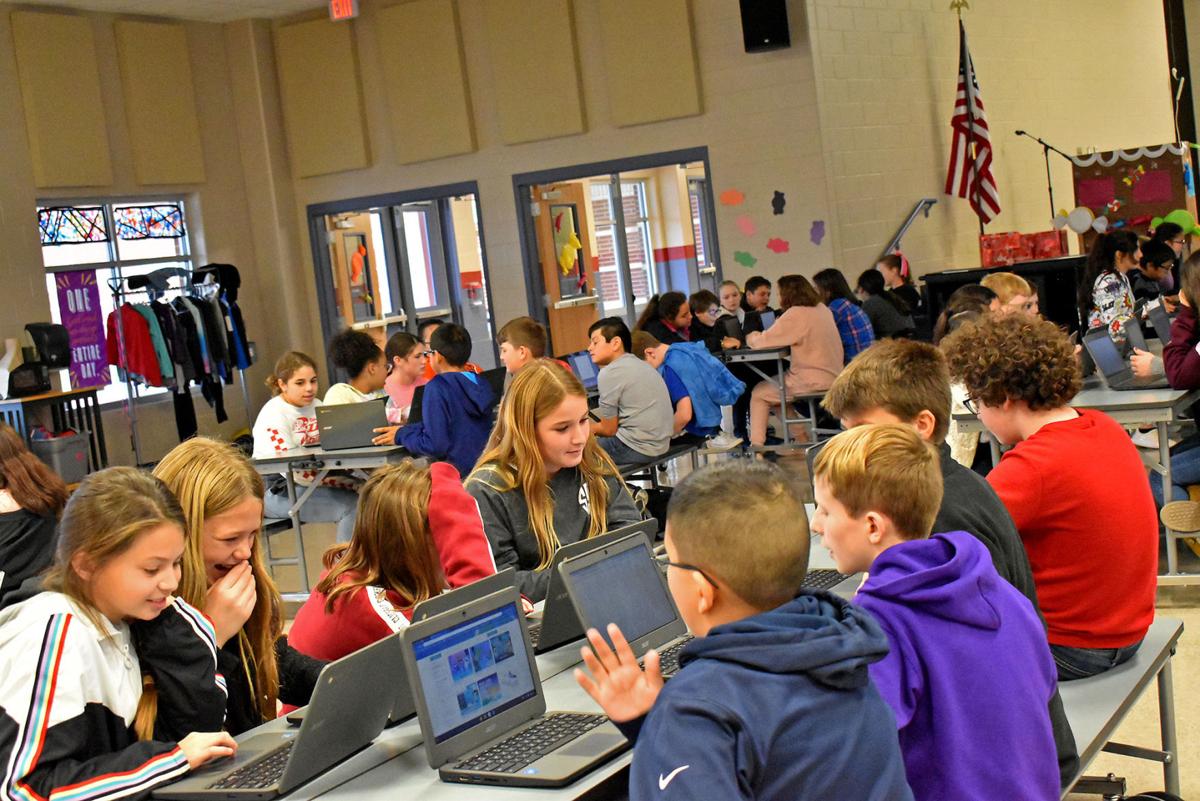
1. Interactive Learning Platforms: Digital learning platforms provide a wealth of resources such as videos, simulations, interactive quizzes, and collaborative forums. Platforms like Khan Academy, Coursera, and edX offer a wide array of courses across various subjects, enabling students to learn at their own pace and explore topics beyond the classroom curriculum.
2. Virtual Reality (VR) and Augmented Reality (AR): VR and AR technologies immerse students in realistic and engaging learning environments. History lessons can become vivid experiences as students virtually travel to historical events, while science classes can involve dissecting virtual organisms or exploring complex molecular structures.
3. Flipped Classroom Model: The traditional classroom model is inverted in the flipped classroom approach. Students consume lecture materials online at their own pace, freeing up class time for discussions, collaborative projects, and problem-solving activities. This method fosters deeper understanding and peer-to-peer interaction.
4. Gamification: Gamifying the learning process turns education into an engaging experience. Educational games and apps, like Duolingo for language learning or Minecraft: Education Edition for creative problem-solving, make learning enjoyable and boost students’ motivation.
5. Personalized Learning Algorithms: Adaptive learning software tailors lessons to individual students’ strengths, weaknesses, and learning pace. By analyzing student performance data, these algorithms provide targeted content and suggestions, enhancing the efficiency of the learning process.
6. Online Collaborative Tools: Tools like Google Workspace (formerly G Suite) and Microsoft 365 enable real-time collaboration on documents, presentations, and spreadsheets. This promotes group projects, peer editing, and seamless communication among students and teachers.
7. Artificial Intelligence (AI) for Assessment: AI-powered tools can grade assignments and assessments quickly and accurately, freeing teachers from time-consuming tasks and allowing them to focus on providing valuable feedback and guidance.
8. Digital Libraries and E-books: Access to vast digital libraries and e-books offers students resources beyond what physical textbooks can provide. This fosters a culture of continuous learning, research, and exploration.
9. Coding and Robotics: Introducing coding and robotics from an early age helps students develop computational thinking and problem-solving skills. Platforms like Scratch and robotics kits enable hands-on learning experiences that bridge the gap between theoretical concepts and practical application.
10. Video Conferencing and Webinars: Connecting with experts, guest speakers, or other classrooms worldwide through video conferencing and webinars opens up new dimensions of learning. Students can gain diverse perspectives and insights beyond their immediate surroundings.
Conclusion
Incorporating technology in education is about more than just using gadgets; it’s about leveraging the tools available to enhance the learning process and prepare students for the future. However, it’s essential to approach technology integration thoughtfully, considering factors like accessibility, digital literacy, and the balance between screen time and other learning experiences.
As we continue to embrace the digital revolution, educators, students, and parents must collaborate to ensure that technology serves as a means to enrich education, foster creativity, and equip learners with the skills they need to thrive in an ever-evolving world. By integrating technology effectively, we empower students to become lifelong learners who can adapt to the challenges and opportunities of the future.


